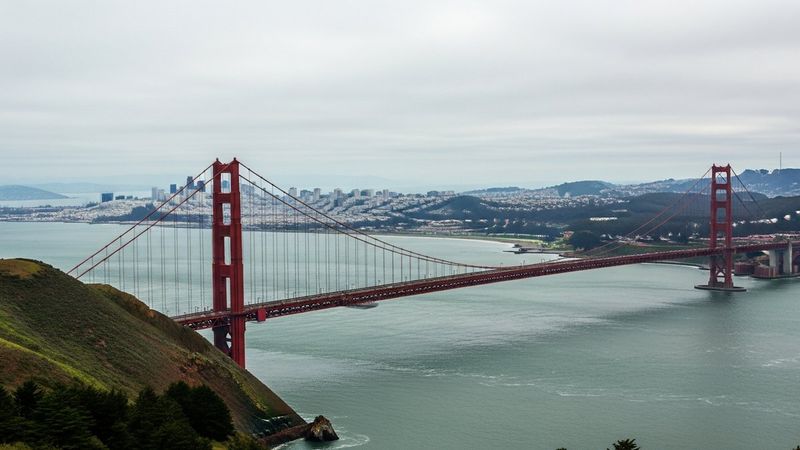
The San Francisco Marathon 2026
About This Race
The San Francisco Marathon 2026 is a full marathon covering the classic 42.195 kilometer (26.2 mile) distance. The marathon is one of the most iconic running distances, requiring months of dedicated training. Most runners aim to complete their first marathon in 4-5 hours, while experienced runners often target sub-4 or sub-3:30 finish times.
This is a road race, which means you'll be running primarily on paved surfaces like asphalt or concrete. Road races typically offer fast, consistent surfaces ideal for achieving personal records. Standard road running shoes with good cushioning are recommended for The San Francisco Marathon 2026.
This is a hilly course with significant elevation gain and loss. Strong hill training is essential, and runners should adjust their pace expectations accordingly. The challenging terrain rewards those who've prepared specifically for climbing.
This course is officially certified, meaning the distance has been accurately measured. Additionally, this is a qualifying race. your finish time is recognized by athletic federations and can be used as a reference time when applying for other races.
The race takes place in San Francisco, California, United States, offering participants a chance to experience the local running community and explore the area before or after the event.
Frequently Asked Questions
Marathon finish times vary widely based on experience and fitness. First-time marathoners often finish in 4-5 hours, recreational runners typically aim for 3:30-4:30, and competitive amateur runners target sub-3:30. Elite runners can complete a marathon in around 2 hours.
Road running shoes with good cushioning and support are ideal. Look for shoes designed for your gait pattern (neutral, stability, or motion control). If you're racing for time, consider lighter racing flats or carbon-plated shoes, though these require breaking in before race day.
For uphills, shorten your stride, keep your cadence steady, and lean slightly forward from your ankles. Use your arms to help drive you up. On downhills, let gravity help but stay controlled. don't brake too hard with your quads. Practice hill training before race day to build specific strength.
Pacing is crucial for longer distances. Starting too fast often leads to hitting 'the wall' later. Aim for even or slightly negative splits (running the second half faster). Use a GPS watch or pace group to stay on target, and practice your goal pace during training.
Most marathon training plans span 16-20 weeks, assuming you have a solid running base. If you're new to running, consider building your base for 3-6 months before starting a structured plan. Key elements include weekly long runs, tempo work, and adequate recovery.
Yes, this is a qualifying race. Your finish time is recognized by athletic federations and can be used as a reference time when applying for other races that require proof of previous performance. Always check the specific requirements of your target race. each race sets its own qualifying standards, distances, and time limits.
Race Website
Visit Official WebsiteTypical Weather
Weather data for late July is not yet available for this race.
Create Your Race Profile
Create a free profile to add this race, track your history, and share your achievements.
Easy to share, perfect for your bio


Your Running Career In One Link.
Share your best times, race history, and goals. A beautiful portfolio for your running achievements.